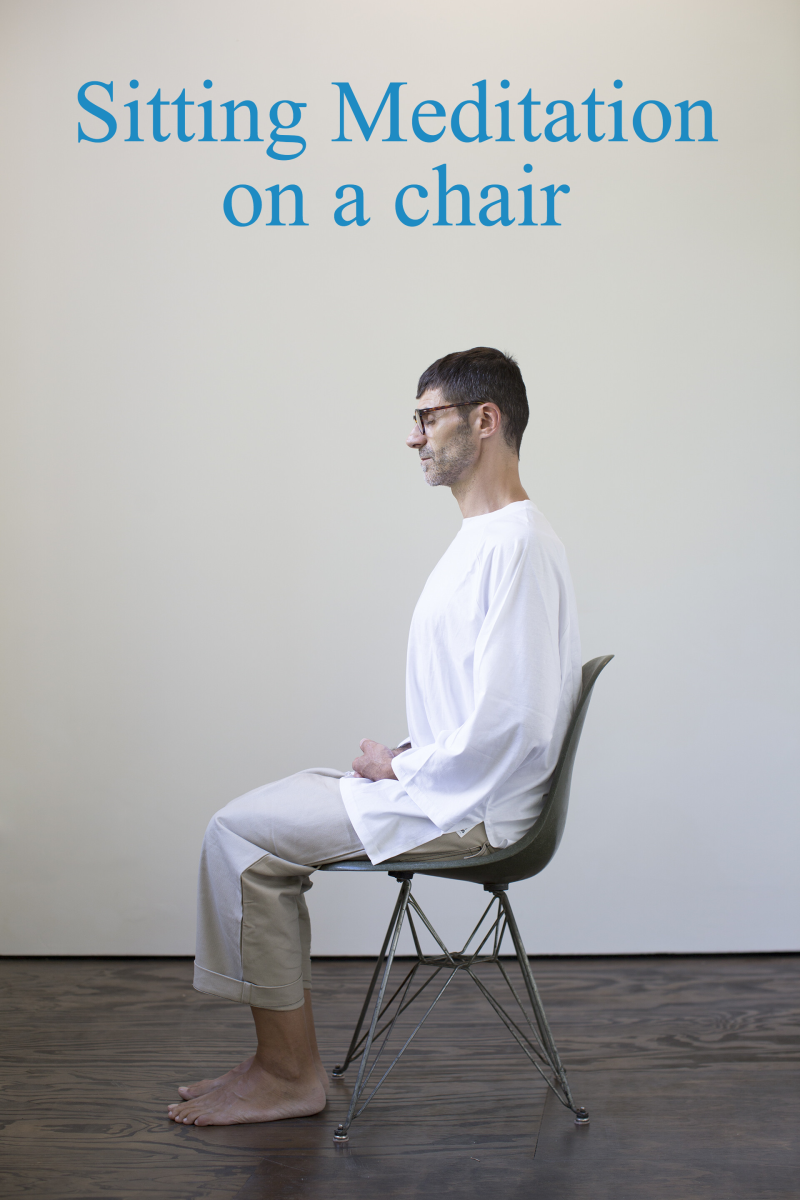
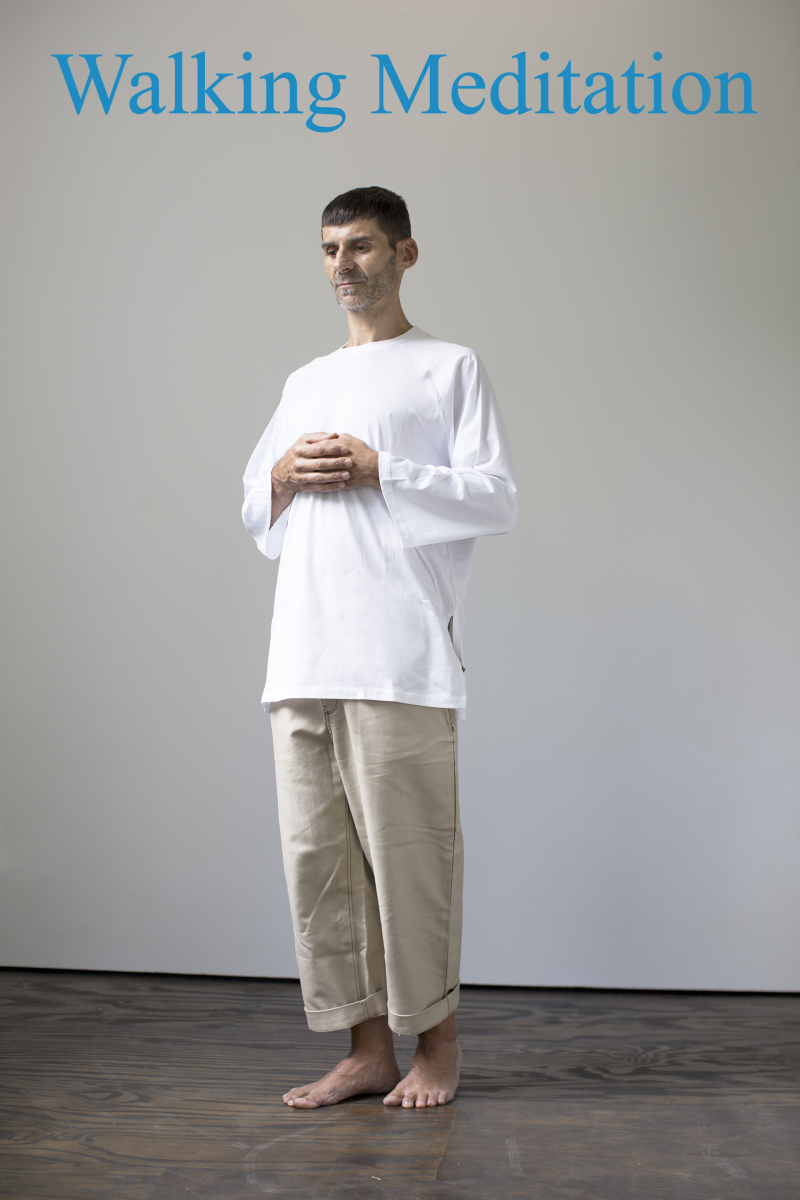
WHAT IS MINDFULNESS ?
Mindfulness is paying attention in a particular way, on purpose, non judgmentally in a kind and curious way. "Jon Kabat Zinn "
Mindfulness is the opposite of mindlessness.
It means waking up out of autopilot and taking the steering wheel’ of our attention again.
Mindfulness is that quality of mind which is aware, awake and alert.
Seeing clearly what' s true and not through our narrative, filters or stories.
We practice mindfulness by maintaining a moment-by-moment awareness of our thoughts, feelings, bodily sensations and the surrounding environment.
Mindfulness also involves non-judgment, meaning that we pay attention to our thoughts and feelings with the attitude of an impartial witness — without believing them or taking them personally.
Mindfulness involves cultivating the fact of seeing and accepting things as they are. When we see clearly and accept without resisting or wanting things to be at all cost as the though they should have been, we can respond more calmly, effectively, kindly and with a sense of openness.
- Mindfulness involves three key elements-
INTENTION: Intention directs the compass of our heart, reflecting our deepest hopes and values.
ATTENTION: Attention trains and stabilizes our mind in the present moment.
ATTITUDE: Attitude refers to how we pay attention – with an attitude of kindness and curiosity.
“Mindfulness is not about being positive all the time or a bubblegum sort of happiness — la, la, la,” she said. “It’s about noticing what happens moment to moment, the easy and the difficult, and the painful and the joyful. It’s about building a muscle to be present and awake in your life.”

WHAT IS MEDITATION?
“Meditation is not doing, it is resting in just being. It is the realization that you are.” Eckhart Tolle
Meditation is commonly described as a training of mental attention that awakens us beyond the conditioned mind and habitual thinking, and reveals the nature of reality and our true nature instead to see them through our filters
The process and the fruit of meditation practice is known as Natural Presence.
Presence is a mindful, clear recognition of what is happening—here and now—and the open allowing space that includes all experiences. Meditation works by opening gently up by deepening of presence with curiosity, kindness, friendly attitude, non judgmentally.
In the process of meditation we are essentially becoming more familiar with our own mind, our habitual patterns without expecting anything. Meditation is making regular un-conditional visit to our inner being. You may at first view that waterfall of thoughts that occurs when you sit down to meditate but if you persevere and as you continue to apply mindfulness and awareness, you become more accustomed to the eccentricities of your own mental being.
Your mind may sometimes be chaotic; it may sometimes be peaceful. In either case, if you can investigate it through simply being present then you are becoming more thoroughly who you are. You are more able to be with your experience, whether it is good or bad.
By cultivating a mindful approach it allows you to become the watcher of perceptions, thoughts and emotions, body sensations, as they arise without getting caught up in them and being swept away in their current.
As a bonus, when you continue to apply mindfulness and awareness while meditating you will find that they will naturally manifest more as you go about your day-to-day life. You can be mindful of what is going on right now. You can maintain awareness of your environment and who you are relating to.
"IN PRACTICING MEDITATION WE ARE NOT TRYING TO LIVE UP TO SOME KIND OF IDEAL - QUITE THE OPPOSITE. WE ARE JUST BEING WITH OUR EXPERIENCE, WHATEVER IT IS."
Pema Chodron
Below 10 minutes Meditation practice audio sample
WHAT IS SELF COMPASSION?
Self-compassion involves acting the same way towards yourself, as you would act toward a friend, when you are having a difficult time, in the face of failure or a difficult situation, or notice something you don’t like about or criticize yourself.
Instead of just ignoring your pain, you can tell yourself : “this is really difficult right now,” how can I comfort and care for myself in this moment?
Instead of mercilessly judging and criticizing yourself for various inadequacies, self-compassion means you are kind and understanding when confronted with personal failings – after all, who ever said you were supposed to be perfect?
You may try to change in ways that allow you to be more healthy and happy, but this is done because you care about yourself, not because you are worthless or unacceptable as you are.
Perhaps most importantly, having compassion for yourself means that you honor and accept your humanness and the one of others.
Things will not always go the way you want them to. You will encounter frustrations, losses will occur, you will make mistakes, bump up against your limitations.
This is the human condition, a reality shared by all of us. And the more you open your heart to this reality instead of constantly fighting against it, or feeling self absorbed, the more you will be able to feel compassion for yourself and all your fellow humans in the experience of life.
Many people are able to extend compassion toward others but find it difficult to extend the same compassion toward themselves, sometimes out of a fear of engaging in self-indulgence or self-pity, but an inability to accept areas of weakness may lead to difficulty achieving emotional well-being.
3 COMPONENTS OF SELF COMPASSION
1.SELF KINDNESS:
is treating ourselves like we would treat a friend, or refraining from harsh criticism of the self.
2.COMMON HUMANITY:
is recognizing one's own humanity, reminding ourselves that others suffer like we do, or the fact that all people are imperfect and all people experience pain at a certain point in their lives.
3.MINDFULNESS:
is meaning learning to be in the present moment without judgement, maintaining a non-biased awareness of experiences, even those that are painful, rather than either ignoring or exaggerating their effect.
HERE BELOW THERE ARE MANY WAYS TO EXPLORE MINDFULNESS